PC Monitors
ASUS ProArt PA32UCXR Review
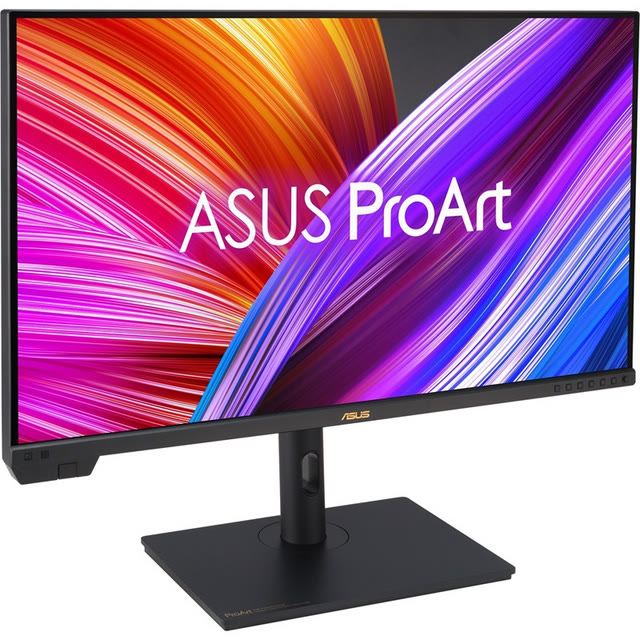
source: myshopamine

source: nativzen.com, converted PNG→JPEG
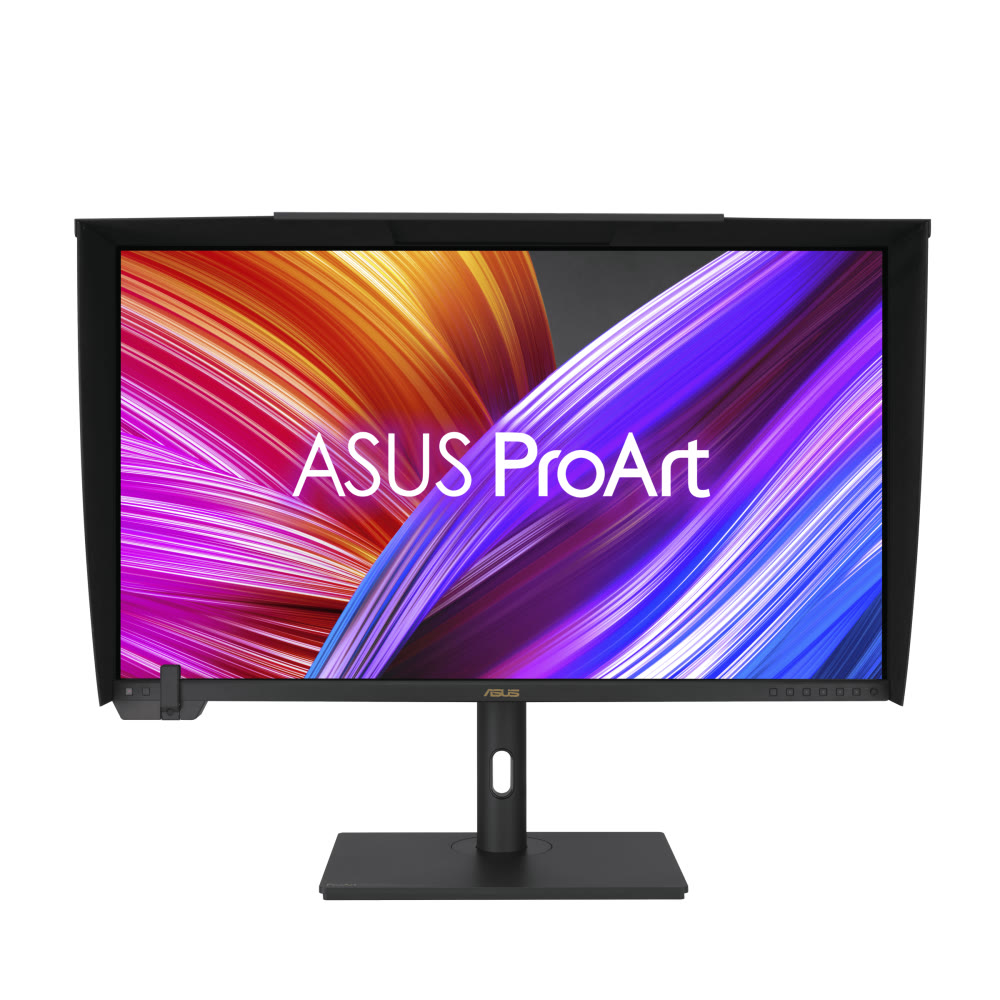
source: shop.asus.com, converted WebP→JPEG
Community verdict
The reference Mini-LED for color work — self-calibrating, 2,304 zones, Dolby Vision. The community's verdict is specialist-only: at $3,000 with 60Hz and 67ms input lag, it's a grading tool, not a general monitor. Creator forums respect it; owner volume is low, so treat every claim as Tier 2/3.
Key sources:
- https://www.tomshardware.com/monitors/asus-proart-pa32ucxr-mini-led-review/4
- https://www.tomshardware.com/monitors/asus-proart-pa32ucxr-mini-led-review/6
- https://www.australianphotography.com/gear/review-asus-proart-display-pa32ucxr-monitor
- https://us.smartprix.com/monitors/asus-proart-pa32ucxr-32-inch-ultra-hd-4k-ppd1n97dy5as
Price
| Size | MSRP | Current street (observed 2026-09-20) |
|---|---|---|
| 32" | ~$2,999 (ASUS US list) | US aggregator ~$2,959.97–2,999 (us.smartprix, Sep 2026 crawl) — recheck live |
- Pricing is stable near list; no significant street discount observed.
The review
ASUS ProArt PA32UCXR Review
A $3,000 grading tool, priced like one, built like one — and completely uninterested in being anything else.
The ProArt Display PA32UCXR is the reference-grade Mini-LED monitor for people who bill by the color grade: 32" true-10-bit 4K IPS with 2,304 local-dimming zones, DisplayHDR 1400 (1,600-nit peak), 99% Adobe RGB, a built-in motorized colorimeter for hardware self-calibration, Dolby Vision, and Thunderbolt 4. That self-calibrating colorimeter is the headline feature — no external probe, no calibration software ritual, the monitor calibrates itself. For colorists and HDR graders who want OLED-class contrast without burn-in risk, this is the spec sheet they write on a whiteboard.
What's genuinely good is reference-level stuff. Tom's Hardware's review found excellent reference color; Australian Photography covered it seriously as a photographer's tool. The 2,304-zone local dimming is what earns the price — that's Mini-LED density that gets genuinely close to OLED contrast behavior while sidestepping burn-in entirely, which matters when your livelihood involves static timelines and scopes parked on screen for hours. Dolby Vision support, the motorized self-calibration, and Thunderbolt 4 single-cable docking make it a one-cable grading station. The creator forums that do discuss it respect it.
What's actually wrong is everything about this monitor outside a grading suite. It's 60Hz — fine for timelines, a hard no for anything that moves fast. Tom's Hardware measured ~67ms full black-to-white input lag, which is why they called it "unsuitable for fast gaming," and they're right; don't buy this and then complain about it in Call of Duty. The 99% DCI-P3 figure is ASUS's claim — UNVERIFIED independently, so treat it as spec-sheet until a lab confirms it. It's $2,999, with pricing observed sitting basically at list (~$2,959.97–2,999 on aggregators in September 2026), no meaningful street discount. Owner volume is thin — Tier 2/3 social signal — so treat every claim with a little more caution than a monitor with two years of owner threads. The motorized colorimeter is a moving part with no public longevity data (UNVERIFIED). And one review's flicker anecdote came from powering it through an unstable van inverter — a power-source artifact, not a monitor defect, and worth saying plainly so nobody reads it as a panel problem.
Who should skip it: everyone except paid color workers. If you're not grading HDR for money, $3,000 for a 60Hz monitor is absurd, and there are cheaper ways to get accurate color. Gamers, obviously. Motion designers who also play games. Anyone who wants a general-purpose display — this is a specialist instrument, not a daily driver.
The social pulse, in one paragraph: thin but respectful. Tom's Hardware and Australian Photography are the serious reviewer anchors; r/colorists and the ProArt forums hold the thin owner layer; Threads, Facebook groups, and Instagram gave nothing — true for this whole category. There's no hype wave and no backlash, which is exactly what you'd expect from a $3,000 niche tool: the people who need it know about it, and everyone else scrolls past. Deal press is basically irrelevant here since pricing sits at list.
Value call: ~$3,000 street against ~$2,999 ASUS US list — there's no street discount to wait for and no cheaper equivalent with 2,304 zones plus self-calibration. The value question isn't "is this a good deal" but "does paid color work justify $3,000." If yes, the motorized colorimeter replacing a separate probe purchase is part of the math. If no, the BenQ PD3225U at ~$850 covers SDR accuracy for a fraction of the price, and the Innocn 32M2V at ~$400 covers budget Mini-LED HDR.
Buy it for paid color work or don't buy it at all. It's the best at exactly one job, and it knows it.
Prices and claims observed 2026-09-20; re-verify live before purchase.